Commercial Dumpster Service: A Practical Guide for Businesses
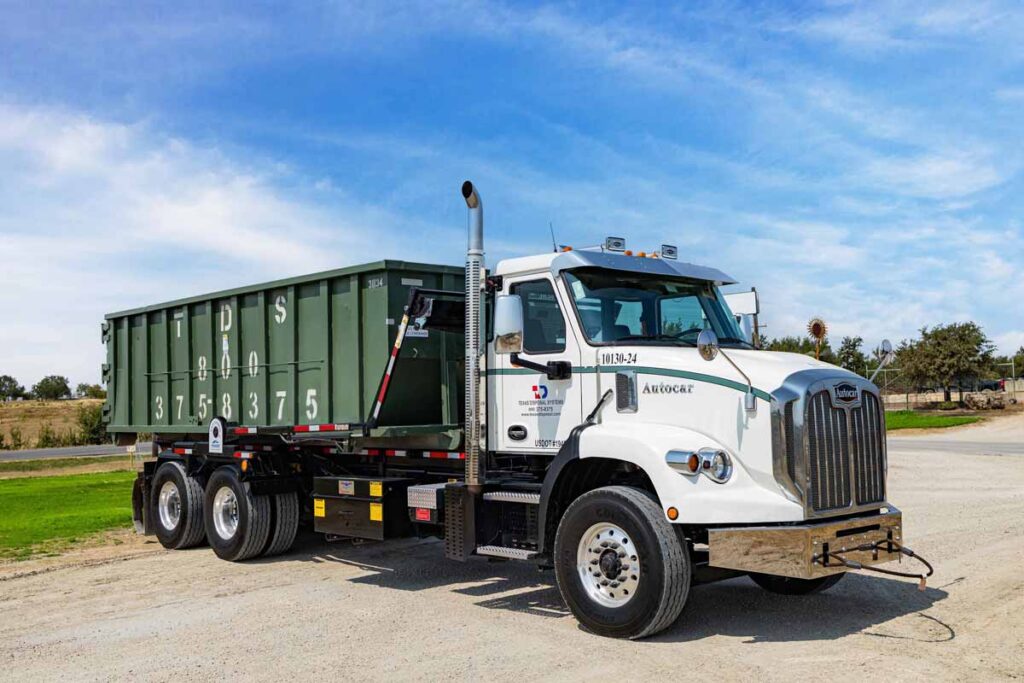
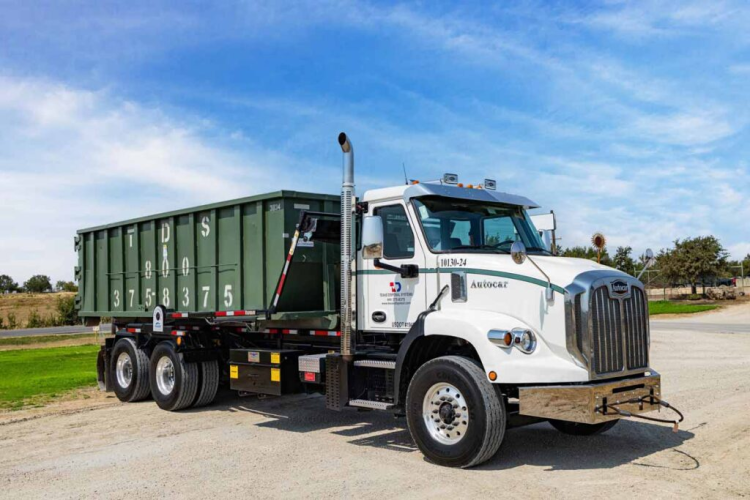
Managing commercial waste is more complicated than simply placing trash in a container and having it hauled away. Businesses generate different types and volumes of waste, often on predictable schedules. Construction sites, restaurants, offices, retail stores, warehouses, and property management companies can all have very different disposal needs.


Choosing the right commercial dumpster service near westlake ohio can help businesses keep waste under control while maintaining a cleaner, safer, and more organized property. The right setup depends on factors such as waste volume, material type, available space, pickup frequency, and local disposal requirements.
A well-planned waste management strategy can also prevent overflowing containers, unnecessary service charges, employee safety issues, and disruptions to daily operations. Understanding how commercial dumpster services work makes it easier to choose an appropriate solution.
What Is a Commercial Dumpster Service?
A commercial dumpster service provides businesses with containers for collecting and disposing of non-hazardous waste. Depending on the provider and application, dumpsters may be delivered to a property, collected on a scheduled basis, emptied, and returned or replaced.
Commercial dumpsters are generally designed for ongoing business operations rather than occasional household cleanouts. They are available in different sizes and configurations to accommodate varying waste streams.
For example, a small professional office may produce mostly cardboard, paper, packaging, and general trash. A restaurant may generate food-related waste and large amounts of packaging. A construction company may need containers capable of handling renovation debris.
The important consideration is matching the dumpster to the actual waste being generated.
How to Choose the Right Dumpster for Your Business
Choosing a container based only on its physical size can create problems. A dumpster that is too small may overflow frequently, while an unnecessarily large container can waste money and valuable space.
1. Estimate Your Waste Volume
Start by examining how much waste your business produces during a normal operating period.
Look at your existing trash bags, containers, cardboard accumulation, and other discarded materials. If you already have waste service, review how frequently your current containers become full.
For instance, a retail store that fills a standard container twice per week may need a different setup from a contractor that produces several cubic yards of debris every day.
Consider seasonal changes as well. Retail businesses may generate significantly more packaging during busy periods, while landscaping companies can experience higher waste volumes during certain months.
2. Identify the Types of Waste
Not all commercial waste should automatically go into the same dumpster.
Common materials include:
-
General business waste
-
Cardboard and paper
-
Packaging materials
-
Furniture
-
Construction debris
-
Yard waste
-
Certain recyclable materials
Hazardous materials, chemicals, medical waste, electronics, tires, and other restricted materials may require specialized handling.
Before ordering a dumpster, determine what materials your business will actually dispose of. Ask the service provider about prohibited items to avoid contamination, rejected pickups, or additional charges.
3. Select an Appropriate Container Size
Commercial dumpsters come in various capacities. The best choice depends on both volume and the type of material being discarded.
A smaller container may work well for an office or small storefront with limited waste. Larger containers are more appropriate for warehouses, construction projects, large retail properties, or businesses with substantial packaging waste.
Remember that bulky materials can occupy more space than their weight suggests. Broken furniture, boxes, fixtures, and renovation debris can quickly fill a container.
4. Determine Pickup Frequency
Pickup frequency should reflect how quickly your business fills its dumpster.
A restaurant with daily waste may require frequent collection, while an office with a smaller waste stream may only need periodic service.
Overflow should not be treated as normal. When waste extends above the container or accumulates around it, the property can become unsightly and create potential safety and pest-control problems.
Tracking how quickly your container fills for several weeks can provide a much better basis for scheduling service.
Practical Strategies for Better Waste Management
Once the basic dumpster setup is established, businesses can improve efficiency by managing waste before it reaches the container.
Separate Recyclable Materials
Cardboard, paper, metal, and certain plastics may be recyclable depending on local programs and service arrangements.
Separating recyclable materials can reduce the amount of general waste entering the dumpster. It may also make the workplace more organized.
For example, a warehouse can establish a dedicated cardboard collection area near receiving operations. Employees can flatten boxes immediately instead of throwing them directly into the general waste container.
Train Employees
Even the right dumpster will not solve waste-management problems if employees use it incorrectly.
Provide simple instructions explaining what belongs in each container. Make the rules visible in areas where waste is generated.
Training is particularly important in restaurants, warehouses, manufacturing facilities, and construction environments where different materials are discarded throughout the day.
Keep the Dumpster Area Accessible
The container needs to remain accessible to collection vehicles.
Avoid placing equipment, pallets, vehicles, snow, or other obstacles directly in front of the dumpster. A blocked container can make scheduled collection difficult or impossible.
The surrounding area should also be kept reasonably clean. Regular sweeping and removal of loose debris can improve both appearance and safety.
Common Commercial Dumpster Mistakes
Businesses often make waste-management decisions based on convenience rather than actual requirements.
One common mistake is choosing a container that is too small. Although a smaller dumpster may appear economical initially, frequent pickups or overflow can make the arrangement less efficient.
Another mistake is ignoring prohibited materials. Employees may assume that anything classified as "trash" can go into a commercial dumpster. That assumption can result in additional fees or disposal problems.
Businesses also sometimes underestimate seasonal waste. A retailer preparing for a major inventory change, for example, may suddenly generate large quantities of cardboard and packaging.
Poor placement is another issue. A dumpster positioned too far from the main waste-generation area may encourage employees to leave trash elsewhere. At the same time, placing it in a location that interferes with parking, loading areas, or emergency access can create operational problems.
Expert Tips for Managing Commercial Waste
A few simple practices can make commercial dumpster management more predictable.
Monitor fill levels. Keep track of how quickly the dumpster fills rather than relying on assumptions.
Review service periodically. Business operations change. A dumpster arrangement that worked last year may no longer fit current waste volumes.
Ask about weight restrictions. Heavy materials such as concrete, soil, roofing materials, and certain demolition debris can have different requirements from ordinary commercial trash.
Plan for temporary projects. Renovations, office moves, property cleanouts, and seasonal events can produce unusually high waste volumes. Temporary dumpster service may be more appropriate than changing a long-term arrangement.
Keep prohibited items out. Confirm disposal rules before placing unfamiliar materials into the container.
Consider waste reduction. Reducing unnecessary packaging, reusing materials, and recycling eligible items can lower the amount of waste requiring disposal.
Document recurring needs. Businesses with multiple locations can benefit from recording container sizes, pickup schedules, and typical waste volumes for each property.
Conclusion
A commercial dumpster service is most effective when it is based on the business's actual waste stream rather than guesswork. The right container size, pickup schedule, placement, and disposal practices can make waste management safer and more efficient.
Start by measuring waste volume, identifying the materials being discarded, and understanding any restrictions that apply. Then monitor the arrangement over time and make adjustments as the business changes.
Good commercial waste management is ultimately about consistency. When employees know how to dispose of materials, containers are properly sized, and pickups occur at appropriate intervals, businesses can keep their properties cleaner while avoiding many of the common problems associated with unmanaged waste.
What's Your Reaction?